Racking My Brain: Meaning, Origin, Examples, and Correct Usage

Racking My Brain

Have you ever tried so hard to remember someone’s name, solve a difficult problem, or find an answer that your mind feels completely tired? You may have said, “I’m racking my brain!” This common English expression describes the effort we make when we think deeply about something or try hard to remember information. The phrase … Read more

Seal vs Seel: What’s the Difference?

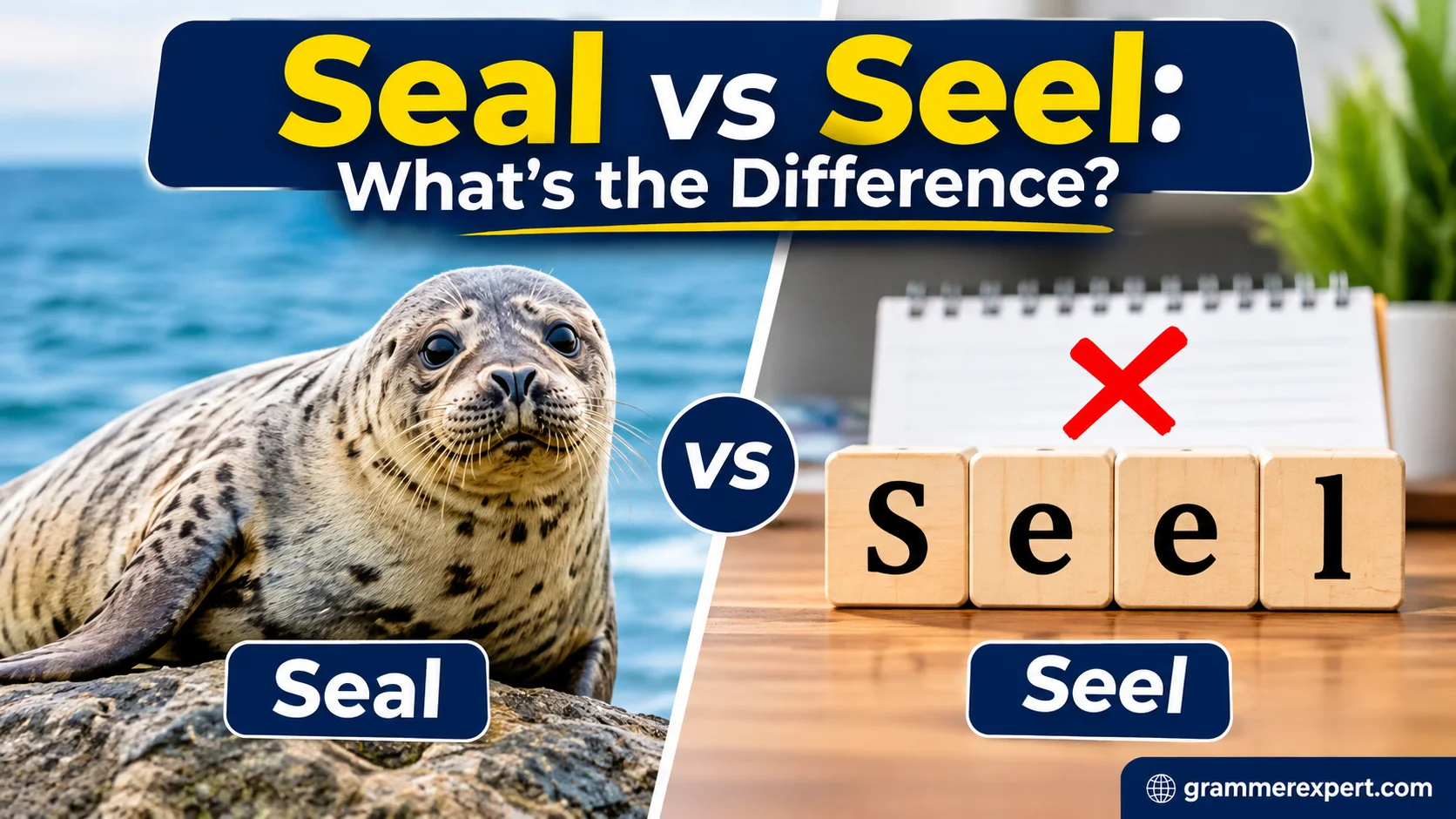
Seal vs Seel: What’s the Difference?

Seal vs Seel: What’s the Difference? helps English learners who confuse seal and seel because they look and sound similar, but have meanings.  These words belong to different contexts and different eras. Seal is common in modern English, while seel is an older term often found in history books. Learning this distinction can improve your … Read more

Uncollectible vs Uncollectable: What’s the Difference?

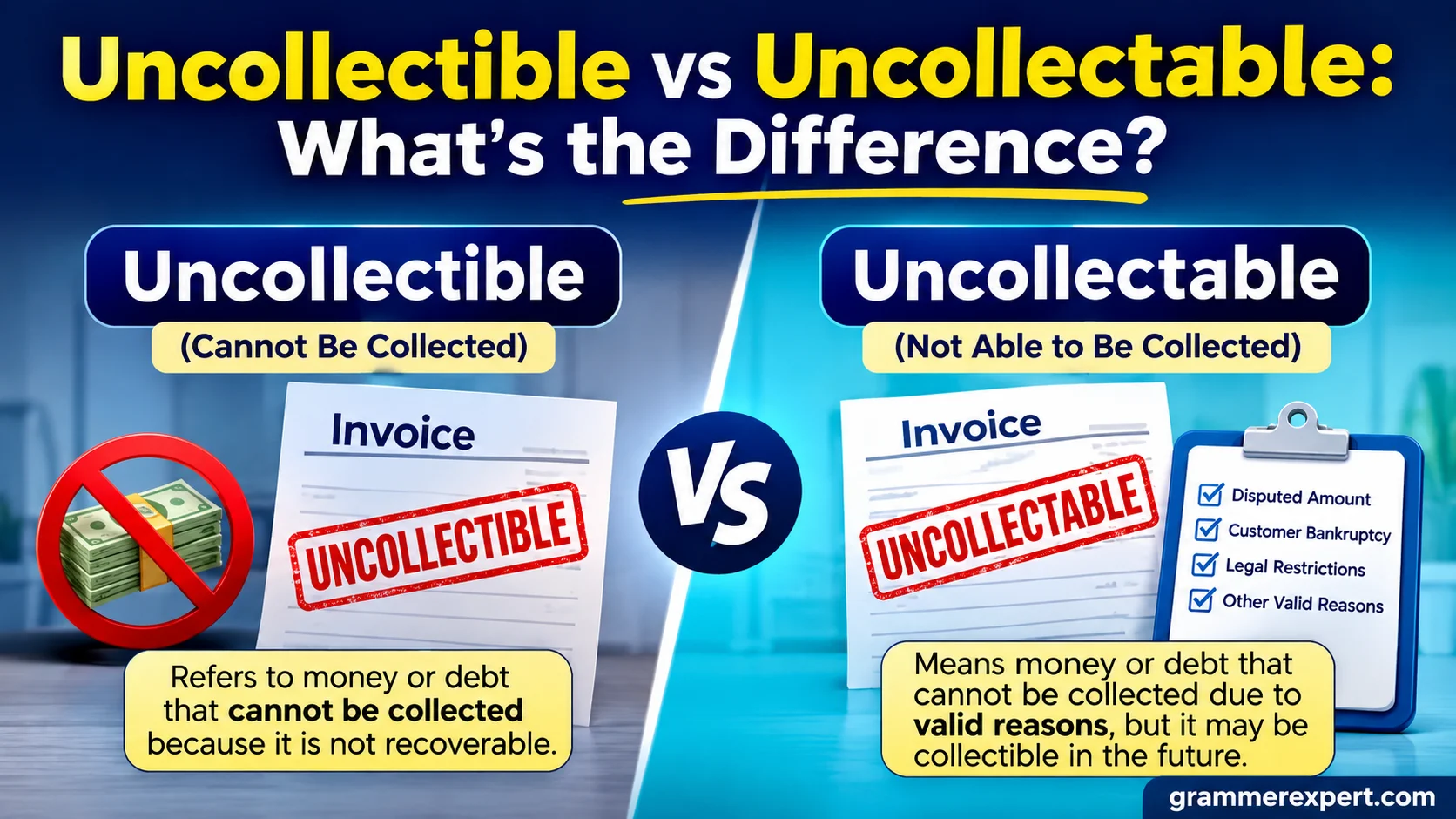
Uncollectible vs Uncollectable: What’s the Difference?

Uncollectible vs Uncollectable: What’s the Difference? This guide makes the spelling confusion simple, clear, and easy to understand for writers.  It’s easy to get confused when uncollectible and uncollectable look almost the same, have nearly identical spelling, and seem identical at a quick glance. Both words sound exactly alike when spoken, so the small difference … Read more

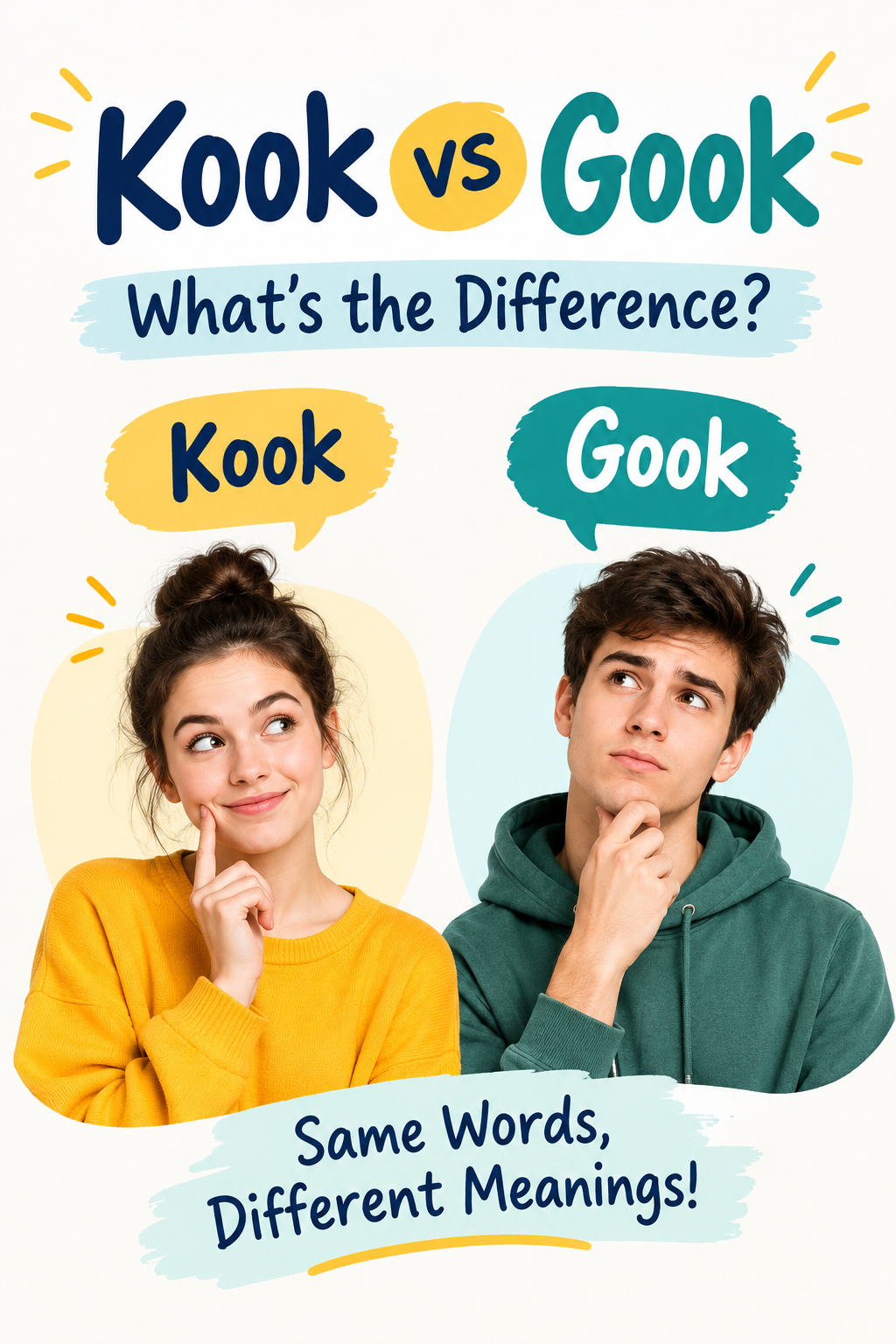
Kook vs Gook: What’s the Difference?

Kook vs Gook: What’s the Difference?

The Kook vs. Gook distinction can seem confusing because these terms and words have similar spelling, a single letter difference, the same length, a similar ending, and a related pronunciation pattern. However, their meanings, origins, usage, and word meanings are very different. Kook is an informal word that can describe someone who is eccentric, strange, … Read more

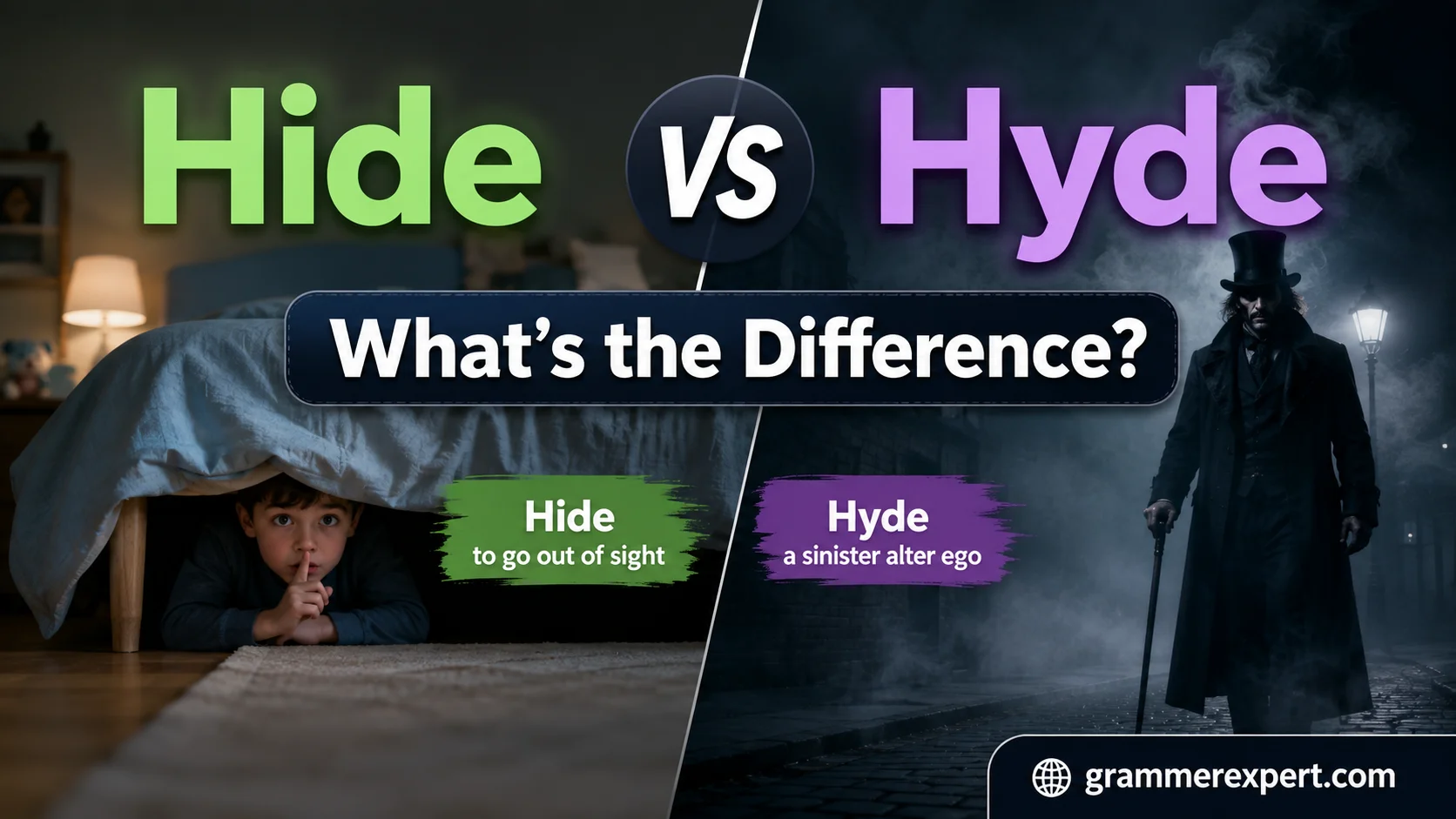
Hide vs Hyde: What’s the Difference?

Hide vs Hyde: What’s the Difference?

Hide vs Hyde: What’s the Difference? explains how these homophones differ in meaning, usage, context, and everyday English writing for learners.  Hide and Hyde are commonly confused words because they sound exactly alike, but their meanings and uses are completely different. In the English language, Hide is a commonly used verb meaning to conceal, cover, … Read more

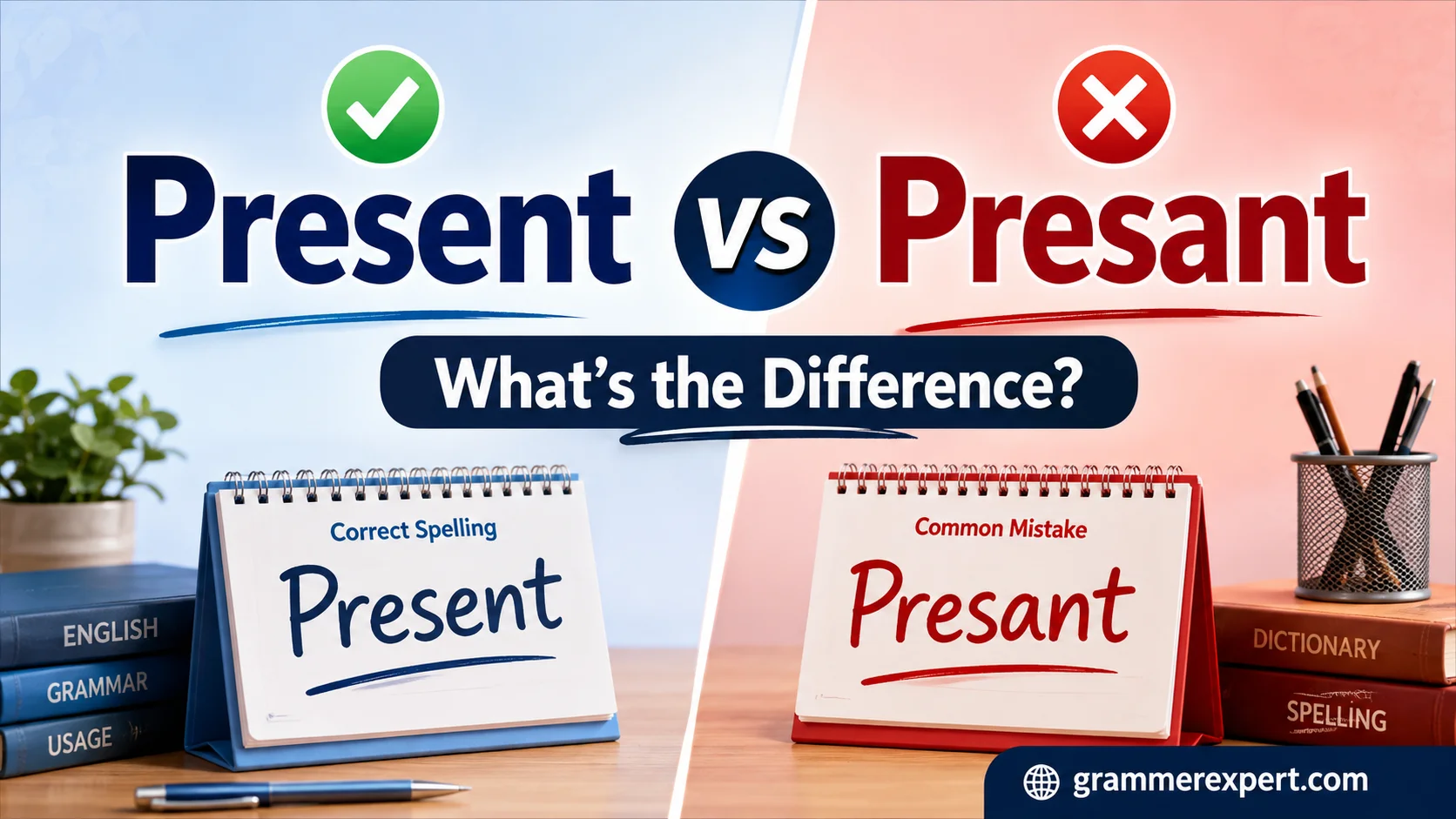
Present vs Presant: What’s the Difference?

Present vs Presant: What’s the Difference?

Present vs Presant: What’s the Difference? explains why learners confuse these similar spellings and why present is the correct English form. The present vs presant question can leave learners confused because these words look almost identical when written quickly. They may seem interchangeable, especially for new English learners who depend on sound instead of spelling … Read more

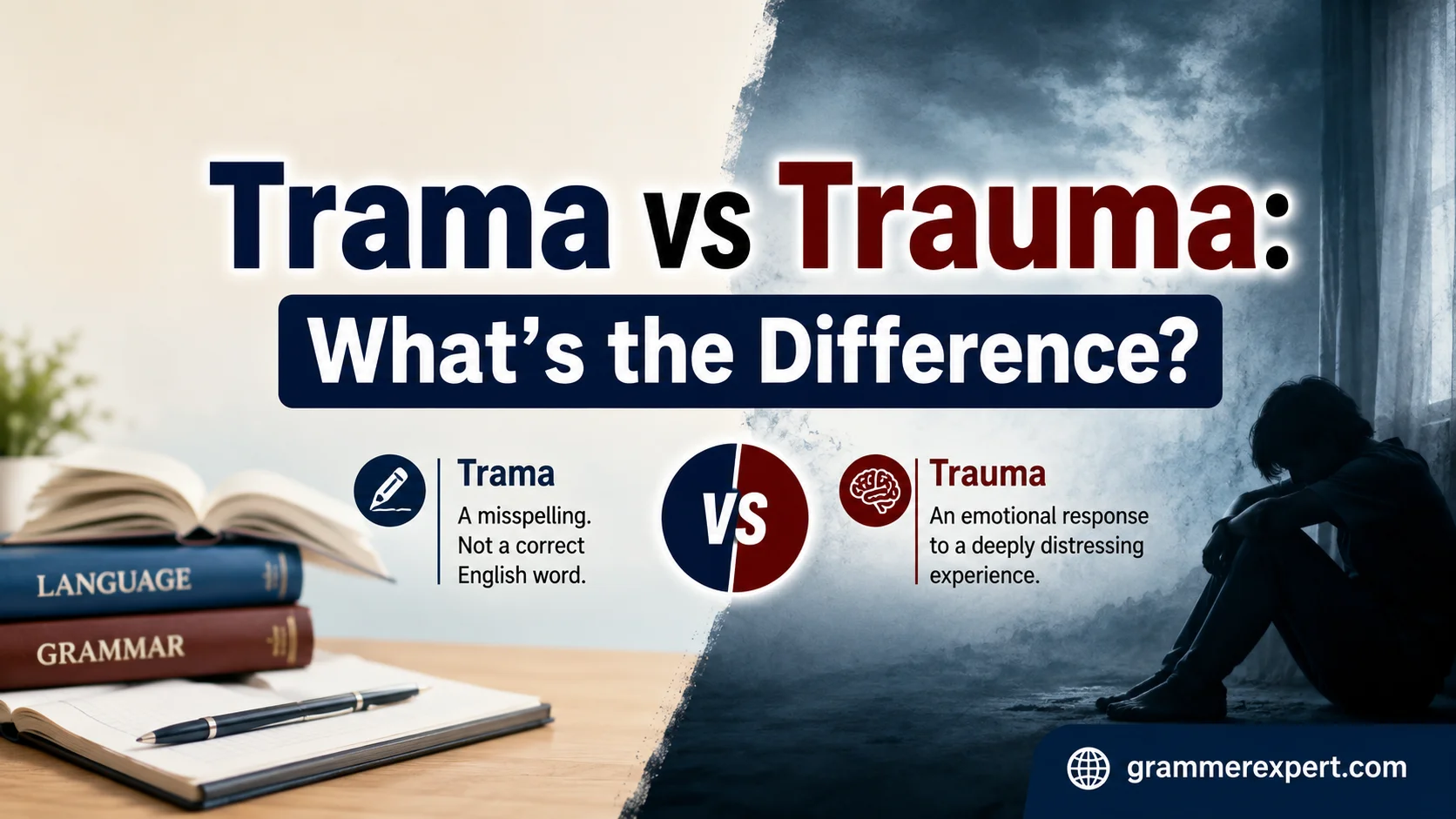
Trama vs Trauma: What’s the Difference?

Trama vs Trauma: What’s the Difference?

Trama vs Trauma: What’s the Difference? explains why the right spelling matters when meaning, context, and correct usage can change the message.  Trama and Trauma may look similar, but their meaning and context are very different. If you’ve ever paused while writing, unsure about the correct form, this confusion is understandable. In standard English, Trauma … Read more

Challange vs Challenge: What’s the Difference?

Challange vs Challenge: What’s the Difference?

For Challange vs Challenge: What’s the Difference?, remember that Challenge is the correct English spelling, while Challange is a misspelling. These similar words can leave writers confused and may cause them to accidentally type the wrong form. The difference is simple: Challenge follows the correct rule, while Challange is a common mistake and one of … Read more